
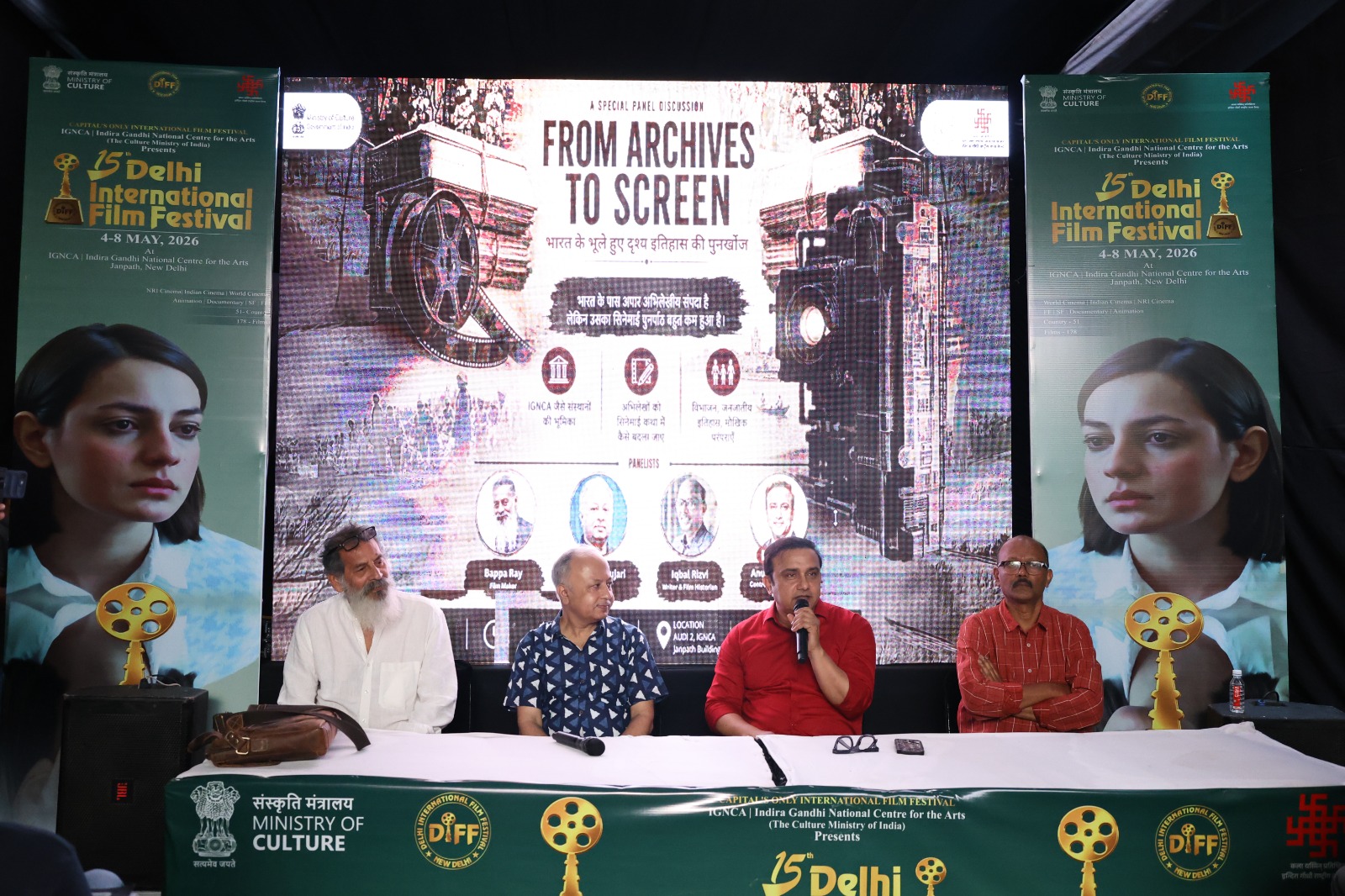
DIFF 2026 के तहत आयोजित इस विशेष सत्र का उद्देश्य भारत के समृद्ध अभिलेखीय (आर्काइव) खजाने को सिनेमा के माध्यम से पुनर्जीवित करने की संभावनाओं पर विचार करना था। चर्चा में इस बात पर विशेष बल दिया गया कि भारत के पास अपार अभिलेखीय संपदा उपलब्ध है, लेकिन उसका सिनेमाई रूपांतरण अभी भी सीमित है। चर्चा में प्रतिष्ठित फिल्मकार बप्पा रे, उत्पल बोरपुजारी, लेखक एवं फिल्म इतिहासकार इक़बाल रिज़वी ने अपने विचार साझा किए। सत्र का संचालन आईजीएनसीए के मीडिया केंद्र के प्रमुख अनुराग पुनेठा ने किया।
चर्चा के दौरान पैनलिस्टों ने निम्न प्रमुख बिंदुओं पर गहन विमर्श किया – आईजीएनसीए जैसी संस्थाओं की अभिलेख संरक्षण में भूमिका, ऐतिहासिक अभिलेखों को प्रभावी सिनेमाई कथाओं में रूपांतरित करने की प्रक्रिया और विभाजन, जनजातीय इतिहास और मौखिक परंपराओं जैसे विषयों की प्रासंगिकता। पैनलिस्टों ने इस बात पर भी जोर दिया कि अभिलेख केवल दस्तावेज नहीं हैं, बल्कि वे जीवंत कथाएं हैं, जिन्हें सिनेमा के माध्यम से नई पीढ़ी तक पहुंचाया जा सकता है। इसके लिए फिल्मकारों, इतिहासकारों और संस्थानों के बीच बेहतर समन्वय की आवश्यकता है। यह सत्र फिल्म महोत्सव के महत्वपूर्ण आकर्षणों में से एक रहा, जिसने अभिलेखीय विरासत और समकालीन सिनेमा के बीच संवाद की नई संभावनाओं को रेखांकित किया।
इससे पूर्व भारतीय सिनेमा के सबसे बड़े पुरस्कार दादासाहब फाल्के से सम्मानित फिल्मकार अडूर गोपालकृष्णन ने आईजीएनसीए द्वारा लगाई गई एक विशेष प्रदर्शनी का उद्घाटन किया। इस प्रदर्शनी में वे विज्ञापन शामिल हैं, जो फिल्म स्टारों तथा लता मंगेशकर, मोहम्मद रफी, मुकेश, बेगम अख्तर, गीता दत्त, आशा भोंसले, महेंद्र कपूर जैसे महान गायकों ने 1950 से 1990 के दशक में प्रिंट माध्यमों के लिए किया था। प्रदर्शनी की प्रशंसा करते हुए अडूर गोपालकृष्णन ने कहा, यह अपनी तरह की अनूठी प्रदर्शनी है। उन्होंने कहा कि यह प्रदर्शनी दुर्लभ प्रिंट विज्ञापनों के माध्यम से बीते युग की मशहूर नायिकाओं को एक साथ प्रस्तुत करती है और उस समय की दृश्य संस्कृति की एक आकर्षक झलक प्रस्तुत करती है।
यह प्रदर्शनी आईजीएनसीए के फिल्म आर्काइविगं शृंखला का महत्त्वपूर्ण हिस्सा है, जो सदस्य सचिव डॉ. सच्चिदानंद जोशी की दूरदृष्टि का परिणाम है। यह परियोजना कुछ वर्ष पूर्व डॉ. सच्चिदानंद जोशी के निर्देशन में शुरू हुई। उनका मानना है कि फिल्में व विज्ञापन भी कला का एक महत्त्वपूर्ण अंग हैं तथा अपने समय और समाज का चित्रण करते हैं, इसलिए उनका अभिलेखन भी उतना ही महत्त्वूर्ण है, जितना अन्य विधाओं का। शाम में चंडीगढ़ स्थित चित्कारा विश्वविद्यालय के फाइन आर्ट्स विभाग के छात्रों की पेंटिंग प्रदर्शनी का उद्घाटन आईजीएनसीए के मीडिया विभाग के प्रमुख अनुराग पुनेठा द्वारा किया गया।
दिल्ली अंतरराष्ट्रीय फिल्म फेस्टिवल (DIFF 2026) के तीसरे दिन आईजीएनसीए के मीडिया सेंटर द्वारा ‘डॉक्यूमेंट्रीज की दृष्टि : क्या डॉक्यूमेंट्री सिनेमा निष्पक्ष होता है और प्रभावशाली नैरेटिव का माध्यम है?’ विषय पर शाम 4 बजे पैनल चर्चा का आयोजन किया जाएगा। साथ ही, सुबह 10.30 बजे आईजीएनसीए द्वारा निर्मित डॉक्युमेंट्री फिल्म- ‘अ न्यू पोस्ट बॉक्स’ का प्रदर्शन भी किया जाएगा।
ये भी पढ़ें :-दिल्ली अंतरराष्ट्रीय फिल्म महोत्सव केवल महोत्सव नहीं, बल्कि प्यार और दोस्ती का भी उत्सव है : अडूर गोपालकृष्णन

Thanks for the helpful article! On a related note, if you’re into AI video creation, Pixwit (https://pixwit.ai) gives you 100 free credits just for signing up — no credit card needed. I’ve been using it for UGC ad videos and the quality is genuinely impressive.
Very informative post! As an online educator, I’ve found FreeVideoGenerator.io (https://freevideogenerator.io) invaluable for creating engaging course content. The Long Video feature helps me build multi-minute educational narratives — AI drafts the story, characters, and script, then I refine everything in chat.
Thanks for sharing! One standout feature of Nano Banana 2 (https://nanobanana2.love) is subject consistency — you can maintain up to 5 characters and 14 objects consistently across a whole workflow. Ideal for storyboards, comics, and product showcases.
Maria, thanks for sharing that tip! I’m always on the lookout for tools that can make video creation easier. It’s great to hear you’ve had a positive experience using it for UGC ads. I might just have to check it out and see if it could be helpful for my projects too! Always appreciate valuable insights like yours.
Backbiome is an advanced daily wellness supplement formulated to help support spinal comfort, reduce feelings of built-up tension, and promote freer, smoother movement throughout backbiome everyday life.
This whole discussion around using India’s archival treasures in cinema really got me thinking. It’s fascinating how much untapped potential lies within those historical records, and the idea of bringing them to life through film is powerful. It reminds me of how, in games like Roblox, players are constantly digging through lore and creating new narratives from existing elements. It’s a different medium, of course, but that same drive to explore, understand, and then build upon existing foundations is what makes both cinema and gaming so engaging. Speaking of digging into game worlds, I’ve found **Abyss Roblox Codes** (https://abyssroblox.codes) to be a super handy resource for players who want to stay on top of all the latest updates and guides. It’s all about making complex information accessible, much like the goal of using archives in film. What other historical periods do you think would make for compelling cinematic explorations?
The idea of leveraging India’s rich archival wealth for cinema, as discussed at DIFF 2026, is fascinating. It strikes me that so much of our history is locked away in archives, waiting to be brought to life. I’ve been exploring similar concepts of historical digitization and storytelling in my own work, and it’s a challenge to make it engaging for a wider audience. The potential for documentaries and even fictional narratives is immense, but it requires creative approaches to bridge the gap between dusty records and compelling cinema. I wrote about a similar approach to historical content curation on MW4 Hub and found that framing it as “unseen battles” or “forgotten strategies” can really capture interest, much like these archives could represent untold cinematic stories. The key is finding those narratives that resonate universally.
The point about India’s rich archival wealth not being fully leveraged in cinema really struck a chord. It feels like such a vast, untapped resource, and it’s fascinating to think about the kind of stories that could be brought to life. I’ve been exploring how personal narratives can be transformed into unique artistic expressions, and I wrote about a similar approach on Song For You and found that using existing “source material” significantly enhances the emotional impact. It makes me wonder what historical documentaries or even fictional period pieces could achieve if filmmakers delved deeper into these archives. The potential for creating truly authentic and resonant cinematic experiences seems immense.
The discussion around leveraging India’s rich archival wealth for cinema at DIFF 2026 is fascinating. It’s a shame that so much of this historical treasure remains untapped. I wonder if the challenge lies in the accessibility and digitization of these archives, or perhaps in educating filmmakers on how to effectively weave these historical narratives into modern cinematic styles. It reminds me a bit of the work we do in real estate, where sometimes the best way to showcase a property’s potential is through virtual enhancements. Similarly, I believe there’s immense potential in using modern tools to bring historical archives to life for a wider audience. I’ve been exploring how AI can assist in this, and I wrote about a similar approach on VirtualStagingAI and found that creative application of technology can unlock hidden value in existing assets. This film festival seems like the perfect platform to spark that conversation.
It’s fascinating how the article highlights the underutilization of India’s rich archival resources in cinema. The idea of bringing these historical treasures to life through film is powerful, and it got me thinking about how we engage with historical narratives more broadly.
It reminds me a bit of the meticulous historical research that goes into games like Kingdom Come: Deliverance II. While it’s a different medium, the commitment to authenticity and drawing from real-world history to build an immersive experience feels like a parallel. If anyone’s curious about that side of historical recreation in gaming, kcd2quest.com has some cool breakdowns of how they’ve tackled it. It just goes to show how history can be fascinating when presented in engaging ways, whether on screen or in interactive worlds.
This discussion about using India’s archival treasures in cinema really got me thinking about how we preserve and then repurpose historical “data.” It’s fascinating to consider how visual archives, in particular, could unlock so many untold stories. It reminds me a bit of how I approach exploring new game worlds – piecing together information from maps and environmental storytelling to understand a place’s history and potential. Speaking of maps and exploration, I’ve been using https://subnautica2map.com for the new Subnautica 2 game. It’s great for visualizing biomes and points of interest, which feels like a digital version of archival research in a way! What other unique ways could historical archives be brought to life for modern audiences?
The point about India’s rich archival wealth remaining largely untapped by cinema really struck a chord with me. It’s fascinating to think about the potential stories waiting to be unearthed from our history, and how cinema could bring them to life for a wider audience. I’ve been exploring similar concepts in my own little corner of the digital world, trying to optimize processes and plan ahead to avoid common pitfalls. For instance, when I’m trying to figure out the best way to combine enchantments in Minecraft without wasting XP, I use a Minecraft enchantment Calculator. It helps me plan the optimal anvil order. I wonder if a similar systematic approach could be applied to cataloging and accessing archival materials for filmmakers, making the process less daunting and more efficient. It feels like there’s a huge opportunity being missed if we don’t find ways to bridge this gap.
This discussion about unlocking India’s archival wealth for cinema is fascinating! It really highlights how much untapped potential exists within our historical records. It made me think about the sheer complexity of navigating and piecing together information, which is something I deal with daily in a different context at Maze Craze Online. We build intricate puzzles and mazes that require players to meticulously explore and connect different elements to find a solution. It’s a different kind of archive, but the principle of careful exploration to reveal a hidden path or understanding feels surprisingly similar. It makes me wonder what kind of narrative pathways filmmakers could uncover if they approached archives with a similar puzzle-solving mindset.
This discussion about India’s archival wealth and its untapped potential in cinema really got me thinking. The idea of bringing historical records to life through film is fascinating, and it’s a shame it’s not happening more. It makes me wonder how many incredible stories are just sitting in archives, waiting for the right narrative to pull them out.
It reminds me a bit of how we approach game design at OrbitDash. We’re always looking for ways to bring classic, fast-paced arcade action back to life in a fresh way, finding that sweet spot between nostalgia and modern gameplay. It’s all about breathing new energy into something that already has a strong foundation. I guess there’s a shared challenge in finding the best way to present historical or classic content to a contemporary audience.
This is a fantastic tip, Maria! Free credits and impressive quality for AI video creation, especially for UGC ads, sounds like a game-changer. I’m always looking for ways to streamline content creation, and finding tools that offer such value is incredibly helpful, much like how a reliable square feet calculator simplifies property measurements. I’ll definitely check out Pixwit!
The idea of leveraging India’s archival wealth for cinema, as discussed at DIFF 2026, is a fascinating one. It’s true that so much of our visual history is locked away, waiting to be rediscovered and given new life. The panel’s focus on bringing this “archival treasure” to the forefront through film is a crucial step. I’ve always felt that incorporating more authentic historical footage could add incredible depth and resonance to storytelling, moving beyond what might be recreated. It makes me wonder how filmmakers can best access and integrate these resources ethically and creatively. I found a similar perspective on how visual data can be repurposed at roomflip.pro that complements this well, highlighting the potential of digital tools in making historical content more accessible and engaging for modern audiences.
The point about India’s vast archival wealth remaining largely untapped for cinematic purposes really struck a chord. It’s fascinating to think about the sheer volume of historical footage, documents, and cultural artifacts that could be brought to life on screen. The article rightly highlights the potential for filmmakers to explore these resources, and it makes me wonder about the practical challenges involved. For instance, how accessible are these archives, and what kind of technical expertise is needed to digitize and integrate them into modern filmmaking? I found a similar perspective on the future of content creation on myink ai that touches on how emerging technologies can help visualize historical narratives. It would be incredible to see documentaries or even fictional films that truly leverage this rich heritage.
The discussion at DIFF 2026 about India’s archival wealth and its underutilization in cinema is a crucial one. It’s fascinating to consider how much untapped narrative potential lies within historical records, and how film can bring those stories to a wider audience. I was particularly struck by the mention of the Indira Gandhi National Centre for the Arts – I can only imagine the wealth of material they hold. It makes me think about how modern tools could help unlock these archives; I found a similar perspective on using AI for creative content generation on AI Rap Creator that complements this well, hinting at how technology might bridge the gap between historical data and engaging cinematic output. It feels like there’s a significant opportunity for innovation here.
This is a fantastic and super helpful article! Maria, thanks for the Pixwit tip – 100 free credits and no credit card needed sounds amazing, especially for UGC ad videos. I’m always looking for innovative tools to streamline video creation and your recommendation is perfectly timed. It’s great to see tools that genuinely impress users. For anyone also looking for practical, everyday tools, a square feet calculator can be incredibly useful for planning.
The discussion around DIFF 2026 and India’s archival wealth being underutilized in cinema is fascinating. It makes me wonder about the practical steps needed to bridge that gap and encourage filmmakers to explore these rich historical resources. While the focus is on Indian archives, it brings to mind how other cultures also have vast historical records that could inspire storytelling. I’ve seen some really creative uses of historical data in games and online communities, almost like a form of collaborative world-building. For instance, I found a similar perspective on Blox Fruits Trading that complements this well, where players meticulously catalog and value in-game items, creating a rich historical context for their virtual world. Perhaps a similar system for archiving historical footage or documents could be developed to make them more accessible and discoverable for filmmakers.
The point about India’s rich archival wealth remaining largely untapped for cinema really struck a chord. It’s fascinating to consider how much of our history and cultural narratives are preserved in archives, yet so few filmmakers are leveraging this treasure trove. The panel discussion at DIFF 2026, as you described, highlights a significant opportunity. I’ve been exploring similar themes of preserving and utilizing historical visual data, and I found a similar perspective on Before You Ink that complements this well, though their focus is on a different kind of permanent mark. Bringing these stories to life on screen could not only educate but also foster a deeper national connection to our past. It feels like a missed opportunity that the article so clearly articulates.
The point about India’s vast archival wealth remaining largely untapped for cinema really struck a chord. It’s fascinating how much history and culture are locked away in archives, and the potential for filmmakers to bring these stories to life is immense. The panel discussion at DIFF 2026 sounds like a crucial step in bridging that gap. I wonder if we’ll see more documentaries or even fictional narratives inspired by these historical records in the coming years. It makes me think about how digital access to archives is also key; I found a similar perspective on the importance of accessible digital resources on MorseTranslator that complements this well. Hopefully, initiatives like this will encourage more engagement with our own past through the powerful medium of film.
It’s interesting how the article highlights that India’s rich archival wealth remains largely untapped for cinematic purposes, even with initiatives like DIFF 2026. The panel discussion at the Indira Gandhi National Centre for the Arts bringing together the Ministry of Culture and filmmakers seems like a crucial step in bridging that gap. I wonder how much of the current archival digitization efforts are actually geared towards making this content accessible for creative reuse, rather than just preservation. It makes me think about how valuable historical footage is for understanding not just past events, but also the cultural nuances that shape us. For instance, I found a similar perspective on Marvel Rivals S8 Tools that complements this well, emphasizing the importance of accessible historical data for new creations. The potential for documentaries, historical dramas, and even experimental films is immense if this archival gold can be properly showcased and utilized.
The idea of leveraging India’s rich archival wealth for filmmaking, as discussed at DIFF 2026, is really compelling. It’s fascinating to consider how much historical material is sitting in archives, full of stories waiting to be told cinematically. The article mentions the Ministry of Culture and the Indira Gandhi National Centre for the Arts being involved, which makes sense given their roles in preserving and promoting cultural heritage. I wonder if the panel also touched upon the practical challenges of accessing and digitizing these archives for filmmakers. It reminds me a bit of how we approach visualizing tattoo designs at RedoInk – ensuring the source material is clear and well-understood before committing to the final piece. It feels like a missed opportunity that this hasn’t been a bigger focus already.
This discussion about India’s archival wealth and its potential in cinema really got me thinking about how we understand and present historical narratives. The article touches on how much of this rich history hasn’t been tapped for filmmaking yet. It makes you wonder about the stories waiting to be told and the perspectives that could emerge.
It’s kind of like how we explore different facets of ourselves. Sometimes, trying to understand motivations and behaviors can feel like sifting through archives of personal experiences! I was just exploring the SBTI Personality Test recently, and it offered a pretty interesting framework for looking at how different personality types approach information and storytelling. It’s fascinating how understanding these internal patterns can shed light on how we connect with external narratives, too.
The point about India’s rich archival wealth being largely untapped for cinema really struck a chord with me. It feels like such a missed opportunity, especially when you consider the potential for historical dramas or documentaries that could bring these stories to life for a wider audience. I was reading a piece recently that discussed how creative use of historical footage can really elevate a narrative, and it made me think of how much untapped potential lies within our own national archives. It makes me wonder if there’s enough infrastructure or incentive for filmmakers to delve into these resources. I found a similar perspective on lily lovebraids that complements this well, discussing the effort involved in digitizing and making such archives accessible. It’s a complex issue, but one I hope DIFF 2026 can help shed more light on.
This discussion about leveraging India’s archival wealth for cinema really struck a chord. It’s fascinating to think about how much untapped visual history is just waiting to be brought to life on screen, much like how those hidden gems of car paint get revived with a good mobile detail. It’s all about uncovering and restoring something valuable, right? The article points out that the Ministry of Culture and IGNCA are looking to bridge this gap, which is a fantastic initiative. It makes me wonder what other sectors could benefit from a similar focused effort to “rediscover” and showcase their rich history. Speaking of uncovering and restoring, I was just looking into mobile car detailing services myself – turns out there are some great options to get your vehicle looking its best without leaving your driveway. If you’re ever curious, checking out neardetailer.com can give you a good sense of what’s available locally.
The point about India’s “rich archival wealth” still being largely untapped for cinema really struck a chord. It’s fascinating to think about the untold stories and historical nuances that could be brought to life through film, especially with the advancements in archival research and digital restoration. I was reading a bit about how different cultural institutions are approaching this, and it seems like there are still significant hurdles in accessibility and funding for filmmakers to utilize these resources effectively. I did come across some interesting discussions on how to bridge this gap on OrbitDash CC, which could be relevant for those looking to explore historical narratives in a more accessible way. It makes me wonder what historical period or event you think would make for the most compelling cinematic adaptation if the archives were more readily available.
The discussion at DIFF 2026 about India’s archival wealth and its potential in cinema really struck a chord. It’s fascinating how much untapped material exists, yet bringing it to the screen effectively is still a challenge. The article mentions the goal of reviving archival treasures through cinema, and I found a similar perspective on OrbitDash CC that complements this well, focusing on how accessible digital platforms can help showcase historical content. It makes me wonder what kind of modern storytelling techniques could be applied to these archives to make them resonate with contemporary audiences, moving beyond traditional documentaries. Perhaps blending historical footage with animated sequences or even interactive elements could be a way forward.
I found the discussion at DIFF 2026 about India’s archival wealth particularly timely. It’s fascinating to think about how much untapped cinematic potential lies within our historical records, and the panel’s emphasis on making these accessible for filmmakers is crucial. It echoes a similar sentiment I’ve seen discussed elsewhere, like on HairFit, where the focus is on leveraging existing assets for creative output. I wonder if there are specific examples of historical archives that are already being digitized or cataloged in a way that would make them readily usable for filmmakers, or if the primary challenge remains the sheer effort of access and integration. It would be great to see more initiatives bridging the gap between archives and the creative industry.
The emphasis on leveraging India’s rich archival wealth for cinema at DIFF 2026 is a crucial point. It’s fascinating how much untapped material exists, from historical footage to personal narratives, that could bring depth and authenticity to filmmaking. I wonder if the panelists discussed specific challenges in accessing or digitizing these archives, or perhaps the creative approaches needed to weave them into compelling modern narratives. It reminds me of how understanding different personality frameworks can unlock new ways of looking at things; I found a similar perspective on sbti personality test that complements this well, suggesting that diverse viewpoints are key to innovation. Hopefully, this initiative sparks more collaborative efforts between archives and filmmakers.
It’s fascinating to consider how much untapped potential lies within India’s vast archival wealth, as highlighted by the discussions at DIFF 2026. The idea of bringing these historical records to life through cinema is a powerful one, and it’s surprising that it hasn’t been a more prominent focus already. I wonder if the technical or stylistic challenges are perceived as too great, or if it’s more a matter of awareness and funding. The article mentions the Ministry of Culture and the Indira Gandhi National Centre for the Arts, which are great starting points for such initiatives. It makes me think about how we can make historical content more accessible and engaging for wider audiences, perhaps even through interactive platforms that complement traditional filmmaking. I found a similar perspective on Soft Money Arcade that suggests innovative funding models could be key to unlocking these kinds of cultural projects.
The point about India’s rich archival wealth not being fully utilized in cinema really struck a chord. It’s fascinating to think about the stories and historical perspectives locked away in archives that could be brought to life on screen. The panel discussion at DIFF 2026, aiming to connect this archival treasure with filmmaking, seems like a crucial step. I wonder if there are any specific examples of historical events or cultural moments that, if adapted cinematically, could significantly enhance public understanding and appreciation of our past. It makes me think about the potential for documentary filmmaking, or even historical fiction, to leverage these resources. I recently came across some interesting discussions on how digital archives can be made more accessible, and I found a similar perspective on Soft Money Arcade that complements this well, highlighting how technology can be a bridge. It would be incredible to see more films that draw deeply from these wellsprings of Indian history.
The observation that India’s rich archival wealth remains largely untapped for cinema is really striking, especially considering the potential for historical narratives. The panel discussion at DIFF 2026, bringing together the Ministry of Culture and the Indira Gandhi National Centre for the Arts, seems like a crucial step. It makes me wonder about the practical challenges in digitizing and making these archives accessible to filmmakers. I’ve been exploring ways to present visual information more effectively, and finding good resources for historical imagery can be as challenging as finding reliable services for keeping your vehicle looking its best; I recently found a great resource for mobile detailing near me that helped me discover some local options. It would be fascinating to see if initiatives like this can bridge the gap between archival institutions and the creative industry.
The point about India’s rich archival wealth not being fully utilized in cinema really struck a chord. It’s fascinating to think about the sheer volume of historical footage and stories that could be brought to life on screen. I’ve always been interested in how historical documentaries and biopics can educate and engage younger generations. It makes me wonder if there are specific archival types, like personal diaries or local folk traditions, that are particularly overlooked. I found a similar perspective on using digital tools for historical preservation that complements this well. It seems like a critical time to explore these avenues, especially with the advancements in filmmaking technology.
The point about India’s rich archival wealth still being largely untapped for cinema at DIFF 2026 really struck a chord. It seems like a missed opportunity when you consider the potential for historical documentaries, biopics, or even fictional narratives that could be brought to life. The panel discussion highlighting the need to leverage these archives through cinema is a crucial step. I often find that when I’m crafting professional communications, the way I present myself visually matters, much like how historical archives can shape a narrative. I found a similar perspective on Email Signature Generator that complements this well, emphasizing how even small details can tell a story. I hope to see more initiatives that bridge this gap between historical resources and cinematic storytelling in the future.
The point about India’s rich archival wealth not being fully tapped for cinema at DIFF 2026 really resonated with me. It’s fascinating to think about the untold stories and visuals just waiting to be unearthed and brought to life on screen. I wonder if the panel discussed specific challenges in accessing or digitizing these archives, or if the focus was more on the creative potential. It makes me think about how structured data could play a role in cataloging and making these archival materials more discoverable for filmmakers. I found a similar perspective on Schema Markup Generator that complements this well, highlighting how metadata can unlock hidden content. The potential for historical documentaries, biopics, and even fictional narratives inspired by true events seems immense.
The point about India’s rich archival treasures remaining largely untapped for cinematic purposes at DIFF 2026 really resonates. It’s a shame that so much history and culture is just sitting in archives when it could be brought to life on screen. I often think about how much potential there is for documentaries or even fictional narratives that draw directly from these sources. Imagine the visual depth that could be achieved! It reminds me a bit of how we approach image editing, where a foundational piece can be expanded and enhanced. For instance, I found a similar perspective on the power of enhancing visuals at AI Image Extender that complements this well. Hopefully, more filmmakers will see the value in these archives and start exploring them for future projects.
The point about India’s vast archival wealth still being largely untapped for cinema really resonated with me. It’s fascinating to think about the stories waiting to be told from our history, and how film can bring them to life for a wider audience. I found a similar perspective on how historical data can be visualized for gaming, which made me think about the potential for interactive documentaries or even historical fiction films based on deep dives into archives. I wonder if the Ministry of Culture and IGNCA have explored partnerships with filmmakers who specialize in historical accuracy, or if the focus is more on educational documentaries for now. It feels like a missed opportunity for both cultural preservation and compelling storytelling.
It’s fascinating how much untapped potential exists within India’s archival wealth, as highlighted by the DIFF 2026 discussion. The idea of bringing these historical narratives to life through cinema feels incredibly powerful, especially when you consider the visual storytelling aspect. It makes me think about how even personal archives, like old family photos, can tell such compelling stories. I’ve been playing around with tools that can animate still images, and it’s amazing how much emotion and narrative you can imbue into a static picture. It really democratizes storytelling, allowing more people to share their own histories visually. This reminds me of EZ Reels (https://ez-reels.com); it’s a neat platform for turning those kinds of visual assets into engaging videos quickly. What kinds of archival materials do you think would make for the most compelling cinema?
The point about India’s vast archival wealth remaining largely untapped for cinema really struck a chord. It’s fascinating to consider how much history and culture is sitting in archives, waiting to be brought to life on screen. I’ve seen some incredible examples of historical reenactments in documentaries, and it makes me wonder if more filmmakers could leverage these resources for narrative features. It feels like a huge missed opportunity for both storytelling and cultural preservation. I even found a similar perspective on ai colorpage that complements this well, suggesting innovative ways to visualize historical content. I hope DIFF 2026 can indeed be a catalyst for change in this area.
The point about India’s rich archival wealth still being largely untapped for cinema really struck a chord with me. It’s fascinating to consider how much visual history is contained within these archives, waiting to be explored and brought to life on screen. The panel discussion at DIFF 2026 sounds like a crucial step in bridging that gap between preservation and creative use. I’ve been experimenting with some digital tools for image manipulation recently, and it makes me wonder about the potential for AI in not just restoring old footage but perhaps even recoloring historical black and white images to give them a new dimension. I found a similar perspective on ai colorpage that complements this well, showing how technology can breathe new life into existing visual content. It would be incredible to see Indian filmmakers leverage these archives to tell stories that resonate deeply with both national and international audiences.
It’s fascinating to think about how much of India’s rich archive remains untapped for cinematic storytelling, as highlighted by the DIFF 2026 discussions. The idea of bringing historical narratives to life through film is powerful, but it also makes me wonder about the *process* of accessing and reinterpreting that history.
It reminds me a bit of how we approach historical data in games, trying to recreate a sense of authenticity and engagement. Speaking of which, I came across the SOFTMONEY Games platform (https://soft-money.com) recently; they’re exploring some really interesting ways to build interactive experiences around complex concepts, and it got me thinking about how those game design principles could potentially be applied to educational or archival projects down the line. What kind of digital tools could help filmmakers dive deeper into these archives?
The point about India’s vast archival treasures remaining largely untapped for cinema really resonated with me. It struck me as a missed opportunity, especially given how much untapped narrative potential must exist within those historical records. The panel discussion at DIFF 2026, aiming to bridge archives and cinema, sounds like a crucial step. I’ve been exploring similar avenues for sourcing historical data for creative projects, and I found a thought-provoking perspective on Wizard Alchemy Hub that touches on how even digital archives can spark new ideas, which feels relevant here. It makes me wonder what specific types of archival material – perhaps related to lesser-known historical events or cultural practices – could yield the most compelling cinematic stories.
The discussion at DIFF 2026 about India’s archival wealth and its untapped potential for cinema really struck a chord. It’s fascinating how much history and culture lie dormant in archives, waiting to be brought to life on screen. The panel’s emphasis on bridging the gap between these resources and filmmakers is crucial. I wonder if there are specific initiatives being planned to facilitate access for filmmakers, perhaps through partnerships with institutions like the Indira Gandhi National Centre for the Arts. It feels like a missed opportunity when so much rich material isn’t being utilized. I recently came across a similar perspective on the strategic use of digital assets for content creation at Amazon Listing AI, which made me think about how archives could be better cataloged and presented to the creative industry.
The discussion around leveraging India’s rich archival heritage for cinema at DIFF 2026 is fascinating. It really highlights how much untapped potential exists within our historical records to create compelling narratives. I was particularly struck by the mention of how archives can be a goldmine for filmmakers, offering authentic backdrops and stories that resonate deeply. It’s a shame it hasn’t been explored more extensively. This reminds me of how crucial robust data management and accessibility are, not just for historical preservation but for creative re-use. I found a similar perspective on the importance of organized digital assets at Spire ESS that complements this well, emphasizing how structured information can unlock new possibilities. Hopefully, initiatives like these will encourage more filmmakers to delve into these invaluable resources.
The discussion at DIFF 2026 about India’s archival wealth and its underutilization in cinema really struck a chord with me. It’s disheartening to think about the vast historical narratives and visual records that remain largely untapped by filmmakers. The panel’s emphasis on bridging the gap between archives and cinematic storytelling is crucial. I’ve been exploring various avenues for creative content generation myself, and I recently came across a helpful resource for game-related updates, much like how this article sheds light on a different kind of treasure: Abyss Roblox Codes. It just goes to show how many rich, unexplored territories exist, waiting for the right kind of attention and innovation to bring them to life. Hopefully, initiatives like the one discussed at DIFF will pave the way for more filmmakers to delve into these incredible archives.
The point about India’s vast archival wealth being largely untapped for cinema really struck a chord with me. It’s fascinating to consider the untapped potential for storytelling that lies within these historical records, as highlighted in the panel discussion at DIFF 2026. I wonder if the digitization efforts mentioned by the Ministry of Culture are moving quickly enough to make these archives accessible to filmmakers. It feels like there’s a parallel to be drawn with how game developers are leveraging detailed lore and historical contexts; I found a similar perspective on Rivals Tools that complements this well. If we can unlock these cinematic narratives, it could offer a powerful way to connect modern audiences with India’s rich past.
This article really highlighted how much untapped potential lies within India’s archival treasures for cinema. It’s fascinating to think about how many stories are just waiting to be brought to life. It actually got me thinking about how we approach historical narratives and the different ways we can engage with them. It’s like piecing together a puzzle, finding connections and making sense of disparate elements. Speaking of puzzles and making connections, I’ve been spending a lot of time lately on mahjong-solitaire.online. It’s a great way to just unwind and focus for a bit, and oddly, I find it helps clear my head for other things. Have you ever found a seemingly unrelated hobby helps spark ideas for other areas of your life?
Thanks for sharing this, Maria! It’s always great to hear about tools that offer a good starting point without hidden strings. Free credits for AI video creation sound like a fantastic way to experiment, especially for UGC ads. I also find it helpful to plan finances with tools like a Cash Flow Calculator, making sure those creative projects are sustainable. What other features do you find most useful in Pixwit for your ad videos?
It’s fascinating to think about how much of India’s rich archival material is still untapped for cinema, as this article highlights from the DIFF 2026 panel. It makes you wonder what stories are literally sitting in vaults, waiting to be brought to life on screen. It’s a bit like finding a hidden gem in an old puzzle; you know there’s a complete picture there, but it takes a bit of careful work to uncover it. Speaking of puzzles that require a bit of focus and strategy, I’ve been spending some time on sites like Mahjong Solitaire Online lately. It’s a great way to train the brain to look for patterns and connections, which feels surprisingly relevant when you’re thinking about how filmmakers might approach piecing together historical narratives. It’s a different kind of “archival” work, I guess!
The discussion at DIFF 2026 about India’s archival wealth and its underutilization in cinema is a crucial point. It’s fascinating to think about how much historical footage and documentation exists, yet remains largely untapped by filmmakers. The panel’s emphasis on bringing this “archival treasure” to life through cinema is a brilliant concept. I’ve seen similar discussions around leveraging historical data for creative projects, and the potential for enriching narratives is immense. It reminds me of how even technical documentation can sometimes inspire unique storytelling, a perspective I’ve found echoed on resources like the NTE Codes Hub, where context is key. Hopefully, this festival can spark more initiatives to bridge the gap between archives and filmmaking.
The discussion at DIFF 2026 about India’s archival wealth and its potential in cinema really resonated with me. It’s fascinating to think about how much history is sitting in archives, waiting to be brought to life on screen. The idea of using these resources for storytelling, as mentioned in the panel discussion, could unlock incredible narratives. It makes me wonder if AI tools could play a role in processing and even visualizing some of this archival material for filmmakers, perhaps making it more accessible. I’ve seen how AI can help with visual content creation, and I found a similar perspective on HeadshotAI that complements this well, showing how AI can adapt existing visual data for new purposes. It feels like a frontier where traditional heritage meets modern technology.
It’s fascinating to consider how much untapped potential lies within India’s archival wealth for cinema, as highlighted by the DIFF 2026 panel. The idea of using these historical records to bring stories to life is powerful, and I wonder if this concept could extend beyond documentaries and historical dramas. Could we see archival footage integrated into more contemporary narratives, perhaps as a stylistic choice to add depth or authenticity? It makes me think about how visual preservation is key, not just for historical accuracy but for creative inspiration, much like how we approach visualizing spaces for renovation projects. I found a similar perspective on how digital tools can unlock creative possibilities for historical content on roomflip.pro that complements this well. The challenge, as the article suggests, is in making these archives accessible and engaging for filmmakers.
The point about India’s rich archival wealth not yet being fully utilized in cinema really struck a chord with me. It feels like there’s so much untapped potential for historical storytelling, and the Hindi film industry, in particular, could benefit immensely from delving into these archives. I recall reading about how some historical documentaries have successfully incorporated archival footage, and it made me wonder if more narrative films could take that approach. It’s a complex challenge, considering access and rights, but the payoff in terms of authenticity and depth would be huge. I even saw some interesting discussions on how to better value these resources, and I found a similar perspective on Blox Fruits Calculator that complements this well, focusing on the importance of understanding and leveraging existing assets.
The point about India’s rich archival wealth remaining largely untapped in cinema really struck a chord. It’s fascinating to think about how much history and culture are preserved in archives that haven’t been brought to life on screen yet. The panel discussion at DIFF 2026 sounds like it was a crucial step in highlighting this potential. It makes me wonder if there are initiatives to digitize and make these archives more accessible to filmmakers, beyond just major institutions. For example, I’ve found that even for something as simple as checking passport photo requirements for different countries, having a clear, accessible resource can save so much time; I found a similar perspective on AnyPassportPhoto that complements this well, and I imagine that applies even more significantly to accessing vast historical film archives. It would be incredible to see documentaries or even fictional films drawing directly from these untapped resources.
The point about India’s rich archival wealth not being fully tapped for cinema really resonated with me. It feels like such a missed opportunity, especially when you consider the visual depth and historical narrative that could be brought to life. The panel discussion at DIFF 2026 sounds like a crucial step in bridging this gap. I’ve been exploring how creative projects can leverage historical data, and I found a similar perspective on SOFTMONEY Games that complements this well, focusing on how digital platforms can democratize access to fascinating, often overlooked, content. It makes me wonder what kind of documentaries or even fictionalized accounts we might see emerge if filmmakers are given better access and encouragement to delve into these archives.
The idea that India’s vast archival wealth remains largely untapped for cinema is a fascinating one, and the panel discussion at DIFF 2026 sounds like it really highlighted this missed opportunity. It makes you wonder what incredible stories could be brought to life if filmmakers had better access and incentives to explore these historical resources. While the focus here is on Indian cinema, it got me thinking about how other forms of media engage with historical archives. I recently stumbled upon a great resource for exploring retro-style arcade games, Crossy Road Online, and it struck me how even simple games can draw inspiration from past aesthetics and experiences. Imagine applying that same spirit of rediscovery to historical footage and documents – the potential is immense!
The discussion around DIFF 2026 and India’s untapped archival wealth for cinema is fascinating. It’s a shame that such rich historical material often remains inaccessible or underutilized, especially when stories from our past could resonate so powerfully on screen. I wonder how many incredible narratives are just waiting to be discovered within these archives. It makes you think about the potential for documentaries, historical dramas, or even entirely new forms of storytelling that could bring these forgotten chapters to life. Perhaps better digitization and more accessible platforms are key. I found a similar perspective on making estimations for construction projects, like using a Concrete Calculator, which simplifies a complex process, and a similar approach could benefit archival access for filmmakers.
It’s fascinating how the article highlights the untapped potential of India’s archival wealth for cinema, especially with the panel discussion at DIFF 2026. It really makes you think about how much history and culture are just waiting to be brought to life on screen. It reminds me a bit of exploring vast, undiscovered territories in games – like painstakingly mapping out every biome and point of interest in a new world. You uncover so much detail and context that way. I’ve actually been working on a similar project for Subnautica 2, meticulously charting out all the known areas and resources. It’s amazing what you find when you start digging into the details of a complex system. I wonder if a similar deep-dive approach could help unlock more of these archival treasures for filmmakers.
It’s fascinating how the article highlights the untapped potential of India’s archival wealth for cinema, especially with the focus on DIFF 2026 and the panel discussion at the Indira Gandhi National Centre for the Arts. The idea of bringing these historical records to life through film is incredibly compelling. It makes me wonder about the specific types of archives that could be most impactful – perhaps personal diaries, old photographs, or even government documents that reveal overlooked narratives. I’ve been exploring ways to visualize historical data for my own projects, looking at resources like Subnautica 2 Map to understand how detailed documentation can enhance storytelling, and it feels like a similar approach could be applied here to make history more accessible and engaging for a wider audience.
It’s fascinating that DIFF 2026 is highlighting the untapped potential of India’s archival wealth for cinema. The idea of using these historical records to create new narratives is incredibly rich, and I agree that it feels like a huge opportunity that hasn’t been fully explored yet. It makes me wonder about the specific kinds of stories we might unearth – personal memoirs, forgotten scientific discoveries, or even just everyday life from bygone eras. I’ve been exploring different mapping tools for games recently, and I found a similar perspective on Subnautica 2 Map that complements this well, showing how detailed historical or geographical data can unlock new ways of understanding and interacting with complex information. I hope this initiative at DIFF sparks some truly compelling cinematic projects.
The discussion at DIFF 2026 about India’s archival wealth and its underutilization in cinema really resonated with me. It’s fascinating to think about how much history is locked away in archives that could be brought to life on screen, not just for entertainment but for education too. I’ve been exploring similar concepts around preserving and showcasing visual history, and I found a similar perspective on Before You Ink that complements this well, especially regarding the long-term impact of how we document and present our past. It makes you wonder what incredible stories are waiting to be discovered and told through film.
अरे वाह, क्या सच में पुराने विज्ञापनों और अभिलेखों को ऐसे सिनेमाई रूप में देखना संभव है? जब मैं कल सुबह चाय पीते हुए अपने पुराने पारिवारिक फोटो एल्बम से एक पुरानी तस्वीर साफ कर रहा था, तब मैंने सोचा कि Remove unwanted text from images online with AI. Upload your image, erase text automatically, and download a clean, natural-looking result in seconds. जैसी तकनीक से किसी भी photo text remover का उपयोग करके पुरानी यादों को कैसे संवारा जा सकता है।
Really insightful perspective on DIFF 2026 : भारत की समृद्ध अभिलेखीय संपदा का सिनेमा में उपयोग होना अभी बाकी! The analysis is very thorough and highlights some important points. For anyone interested in visual creativity and innovative tools, exploring AI Clothes Changer is also well worth checking out.
The DIFF 2026 discussion on reviving India’s archival treasures through cinema raises an important point: many historical materials remain unseen because they are hard to access or reinterpret visually. A relevant resource in this context is TopView AI at /, especially for thinking about how technology can help present archival stories more effectively.
भारतीय सिनेमा और ऐतिहासिक अभिलेखागार पर बहुत ही विचारोत्तेजक और ज्ञानवर्धक लेख। साझा करने के लिए धन्यवाद।
Preserving and curating historical film archives is such a vital initiative. Leveraging modern AI navigation and directory tools like HuntAI can help researchers and filmmakers discover relevant archival resources much faster, bridging the gap between heritage preservation and modern cinema.
The discussion at DIFF 2026 on revitalizing archival heritage through cinema is truly thought-provoking. Archival materials are indeed living stories rather than static documents. With modern creative tools like PerchanceAI, creators and indie filmmakers can easily visualize historical scenarios, create concept art, and experiment with motion prompts to help bridge the gap between archival history and cinematic narratives.
The discussion around leveraging historical archives in modern cinematic storytelling is truly fascinating. As digital technology advances, AI visualization tools are increasingly helping storytellers explore, conceptualize, and bring archival ideas to life on screen. For creators looking into AI-assisted visual generation, https://aigazou.art provides accessible creative tools directly in the browser.
The DIFF 2026 session highlights how much India’s archival wealth can contribute to cinema, especially when old footage and records are given new context. For anyone interested in tracing how language and cultural sources are preserved, Where Every Word Comes From offers a complementary resource.
Preserving and utilizing India’s archival wealth for cinema is such an essential discussion. Connecting historical documents with modern audiences requires engaging interactive approaches and creative storytelling. In a similar way that educational puzzle platforms engage minds through structured problem-solving, digital archives can come alive when presented interactively. Those who appreciate thoughtful logic challenges can Play Meowdoku Online to experience classic concepts adapted for modern audiences. Looking forward to more initiatives from DIFF.
This panel on From Archives to Screen raises a really important point — archives are not just documents but living stories waiting for a new language. I agree that better coordination between filmmakers, historians and institutions like IGNCA is key, especially for tribal histories and oral traditions that rarely reach mainstream cinema. Interactive media is also helping younger audiences connect with structured storytelling and cause-effect narratives — even casual physics puzzlers like Play Smash Fest show how step-by-step discovery keeps people engaged. Hopefully DIFF continues this dialogue on making archival wealth accessible through both cinema and interactive formats.
DIFF 2026のセッションが、眠っているアーカイブ資料を映画表現として再発見する具体的な議論につながっている点に惹かれました。記録映像の臨場感や演出を考える際には、実写ドキュメンタリー風・火災現場映像のような実写ドキュメンタリー風の映像表現も参考になりそうです。
The focus on bringing India’s archival treasures back to life through cinema makes this DIFF 2026 session especially relevant, particularly as so much historical material remains underused. For readers exploring accessible ways to create and share short-form visual stories, ViewMax AI’s related resource is available here: Viewmax Alternative — Make Short-Form Clips Free, Without a .